Manaslu Expedition (8,163m) Overview
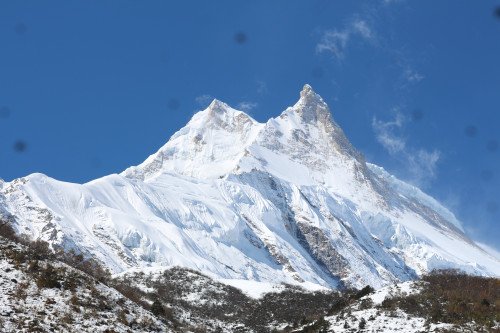
Mount Manaslu (8163 m) was originally surveyed in 1952 by a Japanese expedition team, and it was first climbed by a Japanese expedition in 1956, although it was photographed for the first time in 1950 by HW Tillman and Jimmy Roberts while trekking. The name Manaslu is created from the Sanskrit word "manias," which means "intellect" or "soul. Manaslu is derived from the Sanskrit word "manias," which means "intellect" or "soul." The Japanese have long referred to Manaslu as the "Japanese mountain," whereas the British refer to Everest as the "British mountain."
In 1971, the Japanese expedition made another successful effort. In the same year, a South Korean team attempted and successfully summited Manaslu Peak. According to reports, the second Japanese mission met with fierce opposition from the natives in 1954. The avalanches and pestilence in the valley were blamed on the heathen outsiders. The people believed the Japanese had insulated them. The people believed that the Japanese had insulted the gods who resided in the mountains, causing them to get enraged and create such harsh conditions. Until 2002, 175 climbers had reached the summit, following 120 expeditions and 49 deaths.
Manaslu Expedition (8,163m) Itinerary
Collapse All - Hotel
Hotel
 Welcome Dinner
Upon your arrival at Tribhuvan International Airport in Kathmandu, our friendly representative will warmly welcome you and transfer you to your hotel. After check-in and a short rest, you may explore the vibrant streets of Thamel, where you can enjoy local cuisine, exchange currency, shop for souvenirs, or purchase any last-minute trekking gear. Later, you will attend a trip briefing at our office, where your guide will provide important information about the upcoming adventure. Overnight at the hotel.
 4 Hours
Hotel
Breakfast
4 Hours
Hotel
Breakfast
You start your day with a yummy breakfast and proceed for the tour. We will show you three different religious/cultural sights – Pashupatinath Temple, Boudhanath Stupa. and Swyambhu (monkey temple):
Pashupatinath Temple: Known to be a space devoted to lord Shiva, a Hindu deity, Pashupatinath temple is one of the most famous destinations for Hindu pilgrims. Bagmati river – revered to be a holy river – where Hindu dead body are cremated is another attraction of the tour. It is a UNESCO world cultural heritage site and is famous for the celebration of Shivaratri”, which falls in between the stretch of February-March.
Boudhanath stupa: The stupa is one of the largest monuments of its form in Nepal. It is located in the eastern Kathmandu and stands with four pair of eyes keeping track of four directions of the city. The holy and serene environment will definitely leave you relaxed and calm. It is believed to be inspired by Mahayana philosophy.
If your flight going from ramechhap after thsi tour you are going to drive and spend overnight at ramechhap but if flight from kathamndu than you back to the hotel for Overnight.
8 Hours Drive
Tea House
Breakfast/ Lunch/ Dinner
After an early breakfast, begin a scenic drive from Kathmandu to Machhakhola, the gateway to the Manaslu region. The journey follows the Prithvi Highway alongside the Trishuli River before continuing through Arughat and Soti Khola. As the road winds through picturesque hills, terraced farmlands, traditional villages, and lush forests, you will experience the diverse landscapes and rural lifestyle of Nepal. The final section of the drive is adventurous, with rough mountain roads leading to Machhakhola. Upon arrival, check in to a local tea house and relax for the evening. Overnight at a tea house.
4 Hours
Tea House
Breakfast/ Lunch/ Dinner
After breakfast, begin your trek from Machhakhola by following the Budhi Gandaki River through beautiful forests, terraced fields, and small traditional villages. The trail crosses several suspension bridges and passes Kholabesi and the natural hot springs at Tatopani before continuing through a series of gentle ascents and descents. Enjoy the peaceful riverside scenery and the warm hospitality of the local communities as you make your way to Jagat, a charming stone-paved village and the official entry point to the Manaslu Conservation Area. Overnight at a tea house.
7 Hours
Tea House
Breakfast/ Lunch/ Dinner
After breakfast, leave Jagat and follow the scenic trail through Salleri and Sirdibas, enjoying occasional views of Sringi Himal. The route crosses several suspension bridges and passes through Philim, a beautiful Gurung village surrounded by terraced fields and pine forests. Continuing along the Budhi Gandaki River, the trail winds through dense woodland, small settlements, and narrow gorges before reaching Deng. This charming village marks the beginning of the Tibetan-influenced region, where the culture, architecture, and traditions gradually begin to change. Overnight at a tea house.
6 Hours
Tea House
Breakfast/ Lunch/ Dinner
After breakfast, begin your trek from Deng through dense forests of pine and rhododendron, following the Budhi Gandaki River. The trail passes several traditional villages, including Rana, Bihi Phedi, Bihi, and Ghap, where you will see beautifully carved Mani walls, chortens, and colorful prayer flags reflecting the region's rich Tibetan Buddhist heritage. Crossing a number of suspension bridges and climbing gradually through peaceful forest trails, you will arrive at Namrung, a picturesque mountain village renowned for its traditional stone houses and magnificent views of Kutang Himal, Ganesh Himal, and the surrounding peaks. Overnight at a tea house.
5 Hours
Tea House
Breakfast/ Lunch/ Dinner
After breakfast, leave Namrung and begin a steady ascent through beautiful alpine forests and traditional villages. The trail passes Lihi and Sho, offering magnificent views of Mt. Manaslu, Manaslu North, Himal Chuli, and other surrounding peaks. As you gain elevation, the landscape becomes increasingly alpine and the Tibetan Buddhist influence becomes more evident through ancient monasteries, mani walls, and prayer flags. Upon reaching Lho, a picturesque mountain village, you will be rewarded with breathtaking views of Mt. Manaslu and have the opportunity to visit the nearby Ribung Monastery. Overnight at a tea house.
4 Hours
Tea House
Breakfast/ Lunch/ Dinner
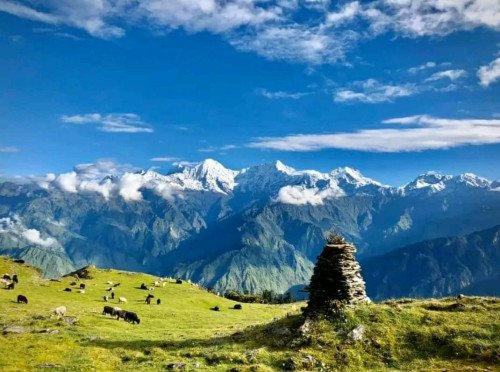
After breakfast, leave Lho and follow the scenic trail toward Sama Gaun. The trek passes through Shyala, where you are rewarded with spectacular panoramic views of Mt. Manaslu, Himal Chuli, Ngadi Chuli, and other surrounding Himalayan peaks. Continuing through the beautiful Nubri Valley, the trail winds across open alpine meadows and glacial landscapes before reaching Sama Gaun, one of the largest and most culturally significant villages in the Manaslu region. After lunch, you may take a short walk to the beautiful Birendra Lake, a pristine glacial lake fed by the Manaslu Glacier, or explore the traditional Tibetan-influenced village and experience the unique culture and lifestyle of the local Nubri people. Overnight at a tea house.
2 Hours
Tea House
Breakfast/ Lunch/ Dinner
Today is reserved for acclimatization to help your body adjust to the increasing altitude before continuing toward Larke Pass. Rather than resting all day, you will take a rewarding acclimatization hike. You can choose to trek to Manaslu Base Camp, following a steep and rocky trail with loose scree sections. Although demanding, the hike rewards you with breathtaking views of Mt. Manaslu, Samdo (Pang Phuchuli), Ngadi Chuli, Simnang Himal, the Manaslu Glacier, and the impressive Manaslu Icefall. Alternatively, you may hike to the peaceful Pungyen Gompa, a secluded Buddhist monastery set beneath the towering peaks. While the monastery is usually closed to visitors, the surrounding area offers spectacular views of Mt. Manaslu and Ngadi Chuli. After the hike, return to Sama Gaun for the night. Overnight at a tea house.
4 Hours
Tented Camp
Breakfast/ Lunch/ Dinner
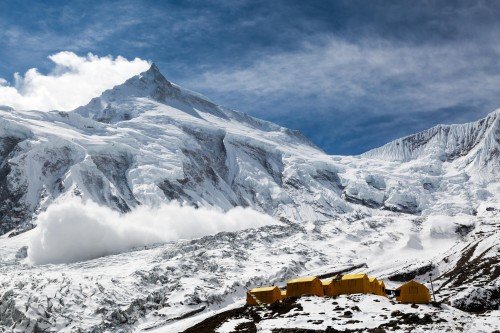
After an early breakfast, begin your challenging trek to Manaslu Base Camp. The trail climbs steeply over rocky terrain and loose scree, requiring a steady pace as you gain altitude. Throughout the ascent, you will be rewarded with spectacular views of Mt. Manaslu, Samdo (Pang Phuchuli), Ngadi Chuli, Simnang Himal, and the impressive Manaslu Glacier and Icefall. Upon reaching the base camp, take time to admire the breathtaking Himalayan panorama and capture unforgettable photographs before descending back to Sama Gaun. Overnight at a tea house.
9/10 Hours
Tented Camp
Breakfast/ Lunch/ Dinner
The Manaslu climbing period begins after your acclimatization and trek to Manaslu Base Camp. Over the following days, you will undergo climbing training, establish and occupy higher camps, and make a summit attempt under the guidance of experienced climbing guides. Proper acclimatization, favorable weather conditions, and physical fitness are essential for a successful ascent. The climbing schedule remains flexible to allow for weather conditions and the team's progress. After reaching the summit of Mt. Manaslu (8,163 m / 26,781 ft), you will descend safely to Base Camp before continuing the return journey.
3 Hours
Tea House
Breakfast/ Lunch/ Dinner
After completing your Manaslu climbing period and descending to Base Camp, begin your trek back to Sama Gaun. The trail descends through rugged glacial terrain, offering spectacular views of Mt. Manaslu, the surrounding snow-capped peaks, and the impressive Manaslu Glacier. Walking at a relaxed pace, you will retrace your route through the alpine landscape before arriving at the traditional Tibetan-influenced village of Sama Gaun. The remainder of the day is free to rest, recover, and celebrate the successful completion of your climb. Overnight at a tea house.
6 Hours
Tea House
Breakfast/ Lunch/ Dinner
After breakfast, begin your descent from Sama Gaun, retracing the scenic trail through Shyala and Lho. As you descend, enjoy magnificent views of Mt. Manaslu, Himal Chuli, Ngadi Chuli, and the surrounding Himalayan peaks. The route passes traditional Tibetan-influenced villages, ancient monasteries, mani walls, and colorful prayer flags, offering another opportunity to experience the unique culture of the Nubri Valley. Continuing through forests of pine and rhododendron, you will arrive at the charming village of Namrung, where you will spend the night at a tea house.
6 Hours
Tea House
Breakfast/ Lunch/ Dinner
After breakfast, continue your descent from Namrung, following the Budhi Gandaki River through beautiful forests and traditional mountain villages. The trail passes Ghap, Bihi, and Rana, crossing several suspension bridges and winding through lush pine and rhododendron forests. Along the way, you will encounter colorful mani walls, chortens, and prayer flags that reflect the rich Tibetan Buddhist culture of the region. After a scenic day of trekking, you will arrive at Philim, a picturesque Gurung village surrounded by terraced fields and mountain landscapes. Overnight at a tea house.
8 Hours Drive
Hotel
Breakfast
After breakfast, begin your scenic drive back to Kathmandu. The journey follows the Budhi Gandaki River through picturesque villages, terraced farmlands, and lush green hills before joining the Prithvi Highway alongside the Trishuli River. Along the way, enjoy the ever-changing landscapes, waterfalls, and glimpses of rural Nepalese life. After several hours of driving, you will arrive in Kathmandu and transfer to your hotel. The remainder of the day is free for relaxation, souvenir shopping, or exploring the vibrant streets of Thamel. Overnight at the hotel.
5 Hours
Hotel
Breakfast & Dinner
After breakfast, set out on the Love Kathmandu Tour, a leisurely walking experience that reveals the city's hidden charm, rich heritage, and vibrant local lifestyle. Explore the bustling streets of Ason Market, the traditional trading lanes of Indrachowk, the historic shopping district of New Road, the cultural alleys of Kilagal, and the peaceful Hidden Stupa. Continue to the historic Kathmandu Durbar Square, where centuries-old temples, palaces, and courtyards showcase Nepal's remarkable art, architecture, and history. A highlight of the tour is the visit to the temple of the Living Goddess, Kumari. This immersive experience offers a perfect blend of culture, history, spirituality, and authentic local life. After the tour, enjoy free time for shopping or relaxing before returning to your hotel. Overnight at the hotel.
Breakfast
According to your flight schedule, our representative will transfer you to Tribhuvan International Airport approximately three hours before your international departure. We hope your journey through Nepal has been filled with unforgettable experiences, breathtaking Himalayan scenery, and warm cultural encounters. Thank you for choosing us, and we look forward to welcoming you back to Nepal for another adventure in the future. Safe travels!
Manaslu Expedition (8,163m) Cost Include/Exclude
What are Included In My Package ?
- Airport pick-up & drop-off.
- All food (Breakfast, Lunch, Dinner & Two times tea biscuit)
- Accommodation.
- Hot drinks. (Tea, coffee, hot milk, hot chocolate).
- All transportation.
- Trekking permit.
- Seasonal fruits and first aid box with oxymeter during the trek.
- Certificate after the trek.
- Four-night hotel with break fast in Kathmandu.
- Sight seeing in Kathmandu Valley.
- All temples have entry permits in Kathmandu.
- All food, drinks, accommodation, salary, insurance, medical equipment, all camping gear, transport, etc. for Nepalese staff.
- All taxes.
- Guide, cook, kitchen staff, Sherpa, porters, and other necessary staff.
What are excluded from the package ?
- Bar bills (alcoholic drinks, mineral water), cigarettes, client's personal insurance, and any kind of unforeseen or personal expenses
- Lunch and dinner in Kathmandu.
Manaslu Expedition (8,163m) Altitude Profile
Traveller Useful Information
Equipment Checklist
Boots, Crampons, and Gaiters
1. Light hiking boots
2. 8000m climbing boots
3. Gaiters
4. Crampons (step-in bindings preferred)
Climbing Tools
1. Ice Axe: (standard; around 65–70 cm, depending on height)
2. Seat harness
3. Locking carabineers : 6 (Automatic locking type with large pear shape)
4. 2 folding- ski pole
Technical Clothings
1. Polypro or Capaline long underwear (4sets)
2. Pile jacket and pants (pants must have full separating side zips)
3. GoreTex shells (top and bottoms; bottoms must have full separating side zips)
4. Down jacket (medium & heavy weight)
Mitts & Gloves
1. Light synthetic gloves, - 3pr (Capaline or polypropaline)
2. Wool (or pile) mitts and Gor-Tex overmitts
Socks
1. Wool or pile socks (6pr light liners, 4pr heavy liners)
Headgear
1. Head lamp (spare bulbs and batteries)
2. Glacier: sun glasses
3. Wool or pile hat
Sleeping
1. Sleeping bag (expedition quality, rated to -15 & 40F)
2. Sleeping pads (2)
Camping
1. Backpack: Internal frame pack: 5,000 cu. in.
2. Pee bottle (one-liter, large mouth)
3. Water bottles (2 one-liter large mouth)
4. Sunscreen (maximum block)
5. Lip sunscreen
Traveling
1. Large duffel bag for transporting all your gear at airports and on pack animals.
2. Toiletry bag
3. Travel clothes
4. Personal first aid kit
5. Small day pack: for trekking days (optional)
Manaslu Expedition (8,163m) FAQs
Expand All +The Manaslu Expedition is a challenging climb to Manaslu (8,163m), the eighth highest peak in the world. It involves technical climbing and high-altitude conditions.
The climb is considered highly challenging and requires advanced mountaineering skills, including ice climbing, glacier travel, and high-altitude endurance.
The Manaslu Expedition typically takes about 30 to 38 days, including time for acclimatization, base camp setup, and summit attempts.
The best seasons for the Manaslu Expedition are spring (April-May) and autumn (September-October), offering stable weather and clearer skies.
Yes, you are required to have a licensed guide and porters. You will need several permits, including the Manaslu Restricted Area Permit and Expedition Permit from the Nepal government.
The summit of Manaslu stands at an impressive 8,163 meters (26,781 feet), making it the eighth highest mountain in the world.
The typical route is through the North Face of Manaslu, starting from Samagaon. The expedition includes setting up several camps along the way, culminating at the summit.
Essential gear includes climbing boots, crampons, ice axes, ropes, tents, warm clothing, and high-altitude mountaineering equipment. All gear must be top-quality due to the extreme conditions.
Risks include high-altitude sickness, extreme weather conditions, avalanches, and technical climbing challenges. Proper preparation, acclimatization, and a guide can help mitigate these risks.
Preparing for the Manaslu Expedition requires rigorous physical conditioning, climbing training, high-altitude experience, and understanding of mountaineering techniques.








.webp)